Heart and mind cannot be exclusive of one another in the fight to save anything.
J. Drew Lanham, The Home Place: Memoirs of a Colored Man’s Love Affair with Nature
In all schools with which we partner, “belonging” the experience of meaningful, nurturing membership, is of concern and which these partners believe their Black students do not experience in their schools. Meaningful participation is important to health and wellbeing in any formative social setting. However, we might think more deeply about what belonging means and how it might apply to schools.
In his collection of essays, It All Turns on Affection, Wendell Berry shares thoughts about the novel, Howard’s End, written by E. M. Forster. Published in 1910, Forster, according to Mr. Berry, “saw the coming predominance of the machine and of mechanical thought” (p. 33) and the subsequent social and cultural dislocations that would occur in our shift from a land-based society to one based on machines.
However, the novel offers “reassurances” in that Mr. Forster’s “interest throughout is in soul-sustaining habitations: houses, households, earthly places where lives can be made and loved (my emphasis)” the “defense” of which is made by use of a vocabulary that includes “truth, nature, imagination, affection, love, hope, beauty, joy”. These words, Mr. Berry suggests, are “hard to keep still in their definitions; they make the dictionary hum like a beehive” (p. 36).
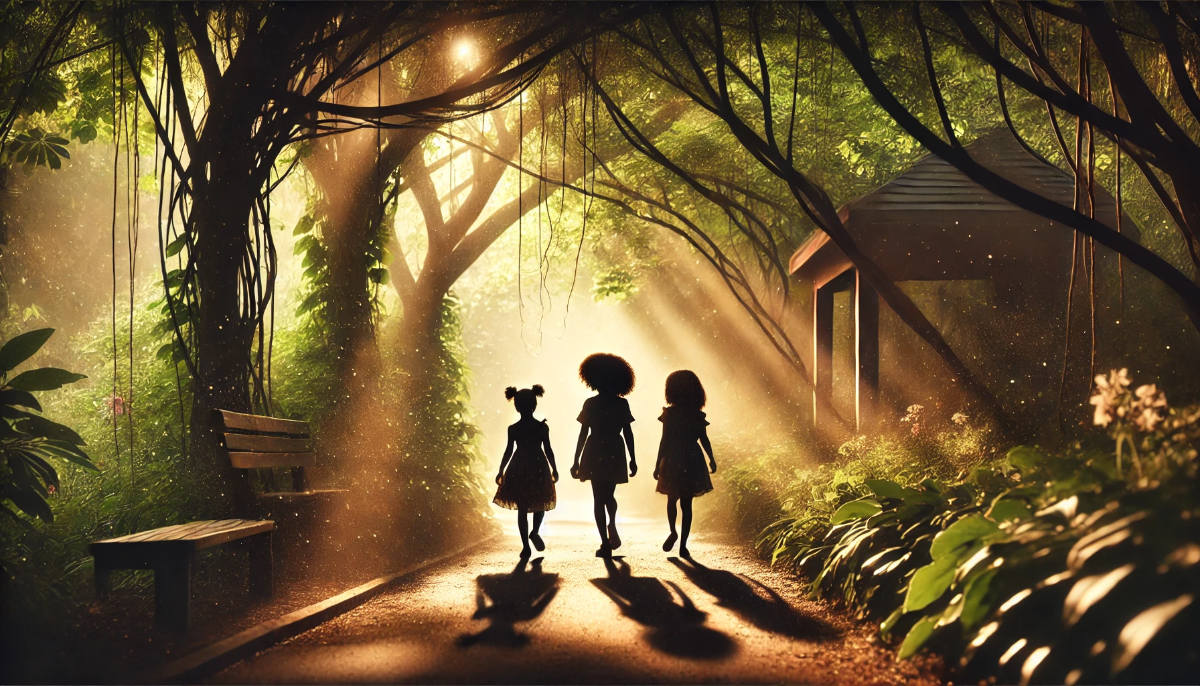
Apart from the delightful image conjured by words that have the dictionary humming like a beehive (or like a song!), I love the idea of “soul-sustaining places” where “lives can be made and loved”. Schools must become such places. What if our schools “hummed” with the words of truth, nature, imagination, affection, love, hope, beauty, and joy? What if our schools were “soul-sustaining places” in which we prepared our children to contribute to making their home, families, neighborhoods, towns and cities, soul- and life-sustaining places? What if our schools were places where lives “can be made and loved”?
J. Drew Lanham, a South Carolinian, ornithologist, Black scientist, and self-described “eco-addict,” suggests that “the best way to begin reconnecting humanity’s heart, mind, and soul to nature is for us to share our individual stories” (p. 7). Sharing our stories is the best way to reconnect our hearts, minds, and souls to anything important. What if our schools were just such places where our stories are told and through which we are made and loved and experience a deep sense of belonging? How might schools become “earthly places” in service to our common good, preparing children, by example as much as by other ways of learning, to participate in making the places they live, life-sustaining?