A few weeks ago, a member of one of our school communities, a member in a position of authority and power, committed an offense involving one of our African American students and the use of the N-word. Her intention was to clarify the student’s use of the word as, I believe, school policy prohibits its use by anyone for any reason, but she made the surprising and puzzling mistake of using the word to do so.
Immediately recognizing her error, she apologized. But the act was done and could not be undone and news of what was said spread throughout the school and local community. Disappointment, anger, confusion, and frustration followed, fed by rumor and speculation as few knew the actual details and context of the incident. Without sharing what I know of the subsequent fallout, it is enough to say that this person decided to resign her position and, sadly, is no longer a member of our school community.
The incident and what felt to some like a slow and, at times, confusing response to the situation, uncovered many unvoiced, unresolved, and troubling issues that now remain surfaced.
However, this school community has responded in swift and somewhat unexpected and beautiful ways. Marginalized students have formed new alliances across an array of diversity, supported by allied staff, Natural Circles, and school and district administrators. Together, they are working hard, employing a suite of strategies to push the school community beyond old boundaries into new territories of change—ground that, together, they will work to hold on to and sustain.
The Natural Circles method seeks to find common ground—not to separate us farther. We’re passionate about discovering common interests, ideas, and most of all values. When harm occurs in a school community, we must respond immediately, with thoughtful consideration of the act or incident, always sensitive to the context in which it occurred. One suggestion is to look for a response that incorporates these values:
- Fairness. The response should be proportionate to the action, taking into consideration both intent and effects.
- Justice. The response should apply the value of fairness consistently, regardless of position or status, clarifying what is right and true, and turning away from what is wrong and harmful.
- Restoration. The ideal response emphasizes the parties’ common ground and uses it to draw them and the community into a healthier situation.
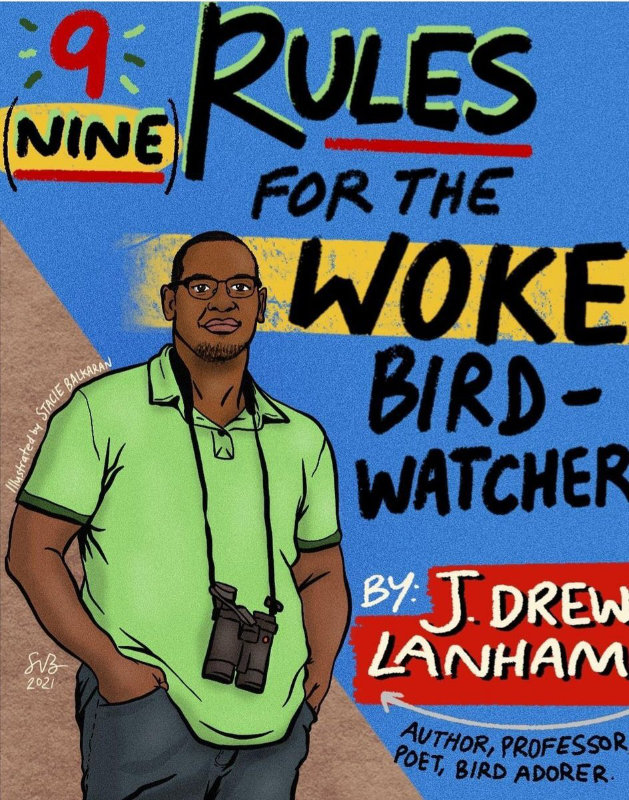
Exploring the idea of finding common ground, I wrote a response to J. Drew Lanham’s excellent article “9 Rules for the Woke Birdwatcher,” published in Orion. Like good birdwatchers, I agree with Lanham, we must “see bird and person in the full context of their being”; context matters.
How we respond to harm should nurture community. It should invite us to pause and listen to the stories of those involved and allow them to share their feelings and experiences. In this way we can all reflect and consider what is right and what is true. This, I believe, requires that we open our hearts so that we can hear the silences, the quiet spaces between words that give shape and meaning to what we say and what we do. Maybe this will help deepen our understanding of what has occurred and find a compassionate response, one that heals the harm and improves our community.